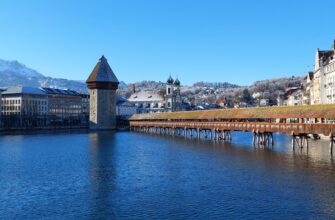
“Passionate, at first sight affection for Lausanne (as if we were born in it once, exactly this city we saw from childhood, in a dream)…”
A.I. Tsvetaeva, “Memories”.
And, of course, you will be given to experience the amazing feeling that the young boarding school student of the main city of the canton of Vaud has preserved in her soul.
Inferior, of course, in the splendor of Geneva, this city is sure to win your heart with views of Lake Geneva and amazing, real, “French spirit”.
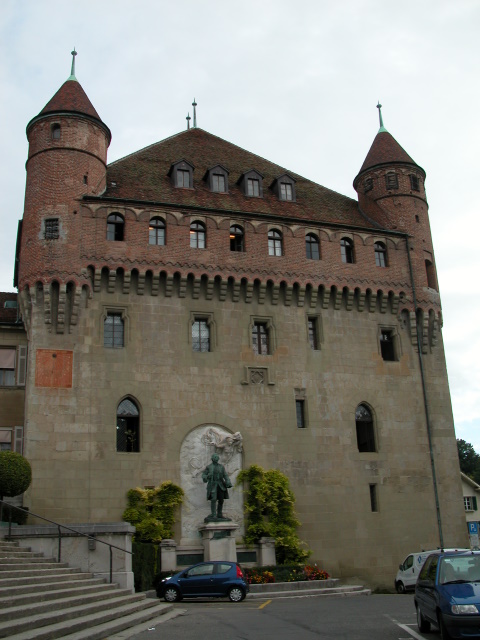
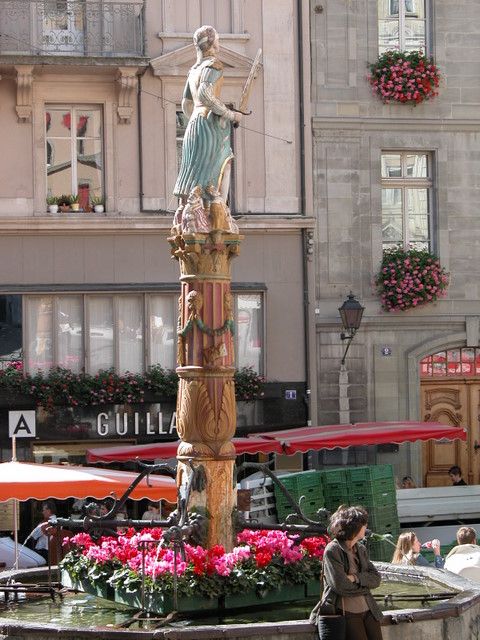
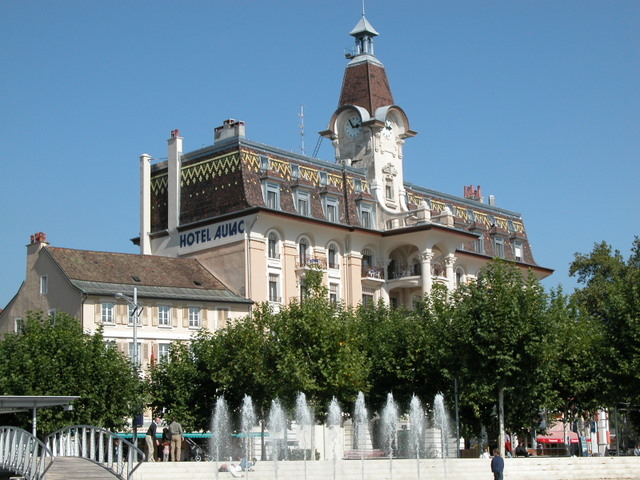
From the Railway station building we will walk through the streets of the old town. The Gothic church of St. Francis of the XIII century, the Town Hall of the XVII century and the Fountain “Justice”, surrounded by curious shops and boutiques, will be left behind and we will come to a large square in front of a building so reminiscent of a magnificent palace. Unusual architecture, right? And the real story associated with this building is even more unusual…
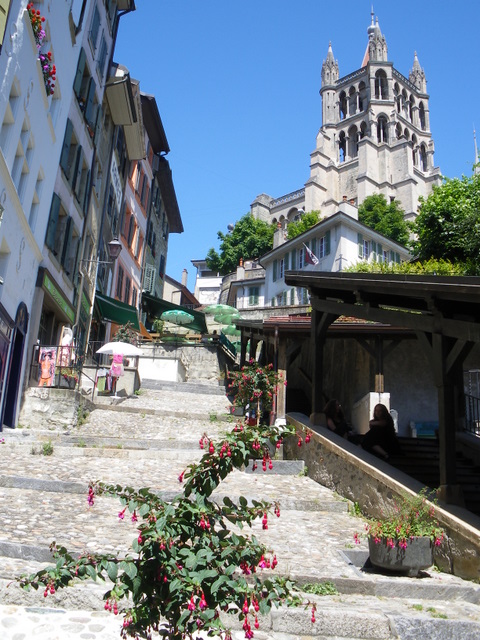
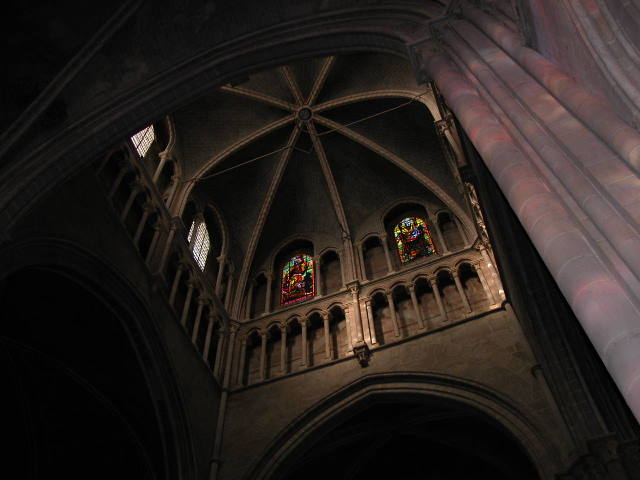
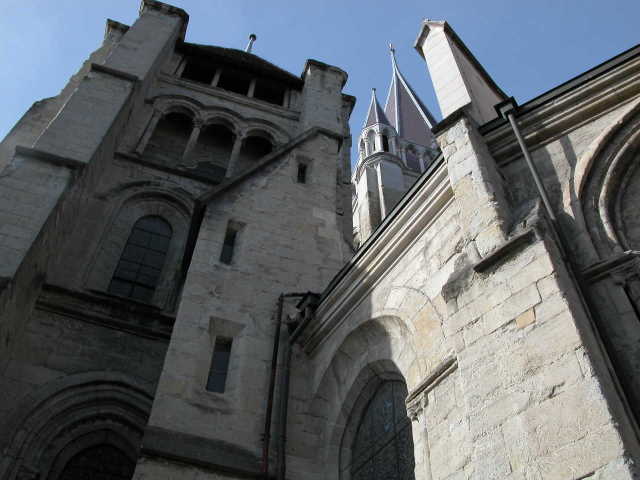
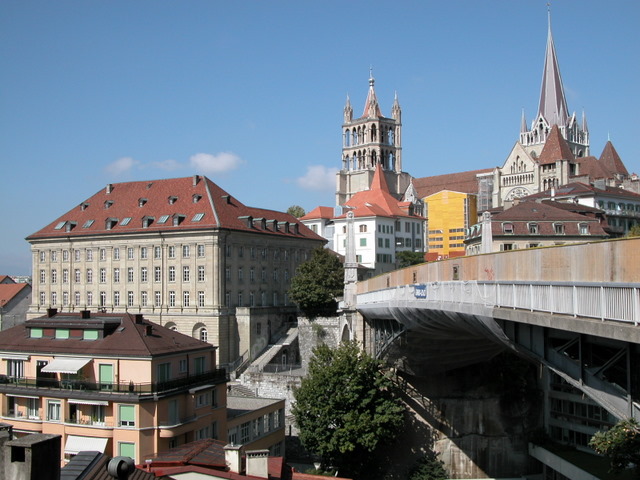
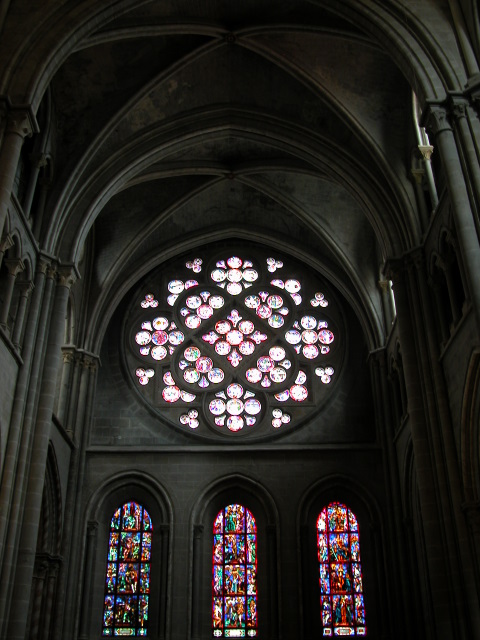
One more climb, and we’re in front of Notre Dame Cathedral. The building is more than 7 centuries old and it is considered one of the most significant examples of Gothic in Switzerland. The large space of the main nave is striking – bright streaks of light, refracted in the famous stained glass windows, lie flat on the stone floor slabs. Next to the altar, one modest tombstone has been preserved – the memory of a touching love story. Let’s also pay attention to the unique organ, the work on the installation of which ended quite recently.
We will experience an amazing feeling of floating in the transparent air while admiring the city from a large observation deck. Once this view struck a young traveler Nikolai Karamzin.
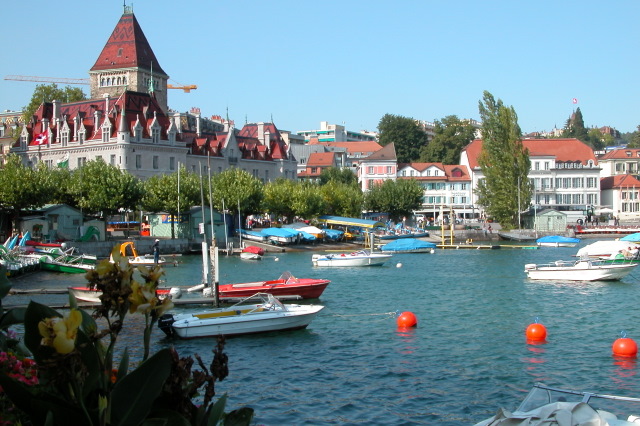
And now let’s go down to the lake. The alleys of the Olympic Park offer a beautiful view of the mountains and the water. Perhaps we will still have time and energy to walk along the promenade in the harbor of Lausanne.
Additionally
Museums of the Ryumin Palace
Museum of Fine Arts
The exhibition presents works by Western European and Swiss masters from the XV to the XX century.
Museum of Archeology and History
The exposition represents the past of the region for almost 15 thousand years.
Geological Museum
Here you can find out exactly where and what kind of dinosaurs lived in the places where the territories of the Swiss Confederation are now located. Part of a very impressive collection of minerals once belonged to Alexander I. The Russian emperor retained a special respect for his teacher — F.C. de Lagarpe (1754-1838) for the rest of his life. The Swiss general and statesman was originally from Lausanne.
Zoological Museum
The museum has an extensive collection of stuffed animals, models of representatives of the fauna of various continents. Separate halls are dedicated to cryptozoology, a field of scientific research devoted to the search for animals whose existence has not been proven.
Numismatic Museum
The exposition consists not only of various coins, banknotes, but also here you can find commemorative signs and medals.
Historical Museum
The exhibition features a beautifully presented collection of costumes, furniture, documents, paintings, prints, old maps, photographs, decorative and applied art objects telling about the history of the city. A collection of musical instruments of the XVIII-XIX centuries is placed separately. The most curious exhibit is a model of the city of the XVII century. created according to the map of the city in 1638 and the design of the showcases of the XIX century.
Museum of Modern Art
The development of modern art in various forms and manifestations – from decorative and applied art to industrial design objects. A fine collection of glass sculptures is presented separately.
Museum of the Hand
The exposition tells about the activities of the surgeon Professor Claude Verdun (1906-2006), who devoted his life to restoring the functions of human hands, many of which you can learn about by studying the exhibits. A special section is designed primarily for schoolchildren. Young visitors will be able to learn a lot about the human body and some functions of the brain and nervous system.
Olympic Museum
Directly opposite the fountains adorning the lower part of the park, on the opposite side of the road, there is a bronze sculpture composition “L’élan” by Naga Arnoldi (1928). The famous Swiss sculptor dedicated his work to the Olympic Games in Nagano (1998). The figures of five athletes hold the developing Olympic banner in their hands. It is best to climb to the platform in front of the main entrance by escalator (to the left of the fountains, behind a hedge). The museum presents the history of the Olympic movement – from a collection of film and photo documents to medals and costumes of various sports teams. Special devices and a computer system allow you to feel like a participant in sports competitions. Through the restaurant located on the upper floors, you can access the outdoor terrace, which offers a magnificent view of the lake.